
Zaanse Schans
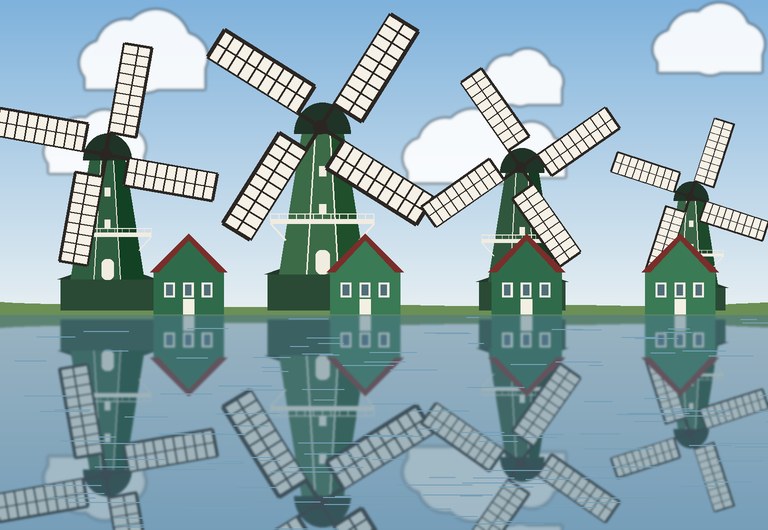
Zaanse Schans, a short trip north of Amsterdam near Zaandam, shows a side of windmill history that many visitors do not expect: industry. The Zaan region was once one of the first industrial areas in the world, and around 600 windmills worked here, producing oil, paint, paper, spices and, above all, sawn timber for the Dutch shipbuilding trade.
A village of working mills
Around ten large mills stand along the river today. Several were moved here from other places in the region to save them, and many still work. Each has a name and a trade:
- De Kat grinds pigments for paint, a craft that has become extremely rare.
- De Zoeker and De Bonte Hen are oil mills, crushing seeds to make oil.
- Het Jonge Schaap and De Gekroonde Poelenburg are sawmills that cut logs into beams and planks.
- De Huisman is known for grinding mustard and spices.
The Zaan style
The mills sit among green wooden houses with white trim and bell-shaped gables. Wood was used because the soft peat ground could not easily carry heavy brick buildings. Green paint, made locally, became the signature colour of the area.
Visiting tips
- Go inside at least one mill: standing next to the turning machinery is the best way to understand how wind power drove industry.
- Walk the dyke along the river for the classic view of the row of mills.
- Late afternoon is calmer than late morning, when tour groups arrive.
Key facts
| Location | Zaandam, North Holland, Netherlands |
| Mills on site | About 10 large mills |
| Historic Zaan region | Around 600 mills |
| Products | Paint pigments, oil, spices, sawn timber |
| Oldest origins | 17th century |
Best time to visit
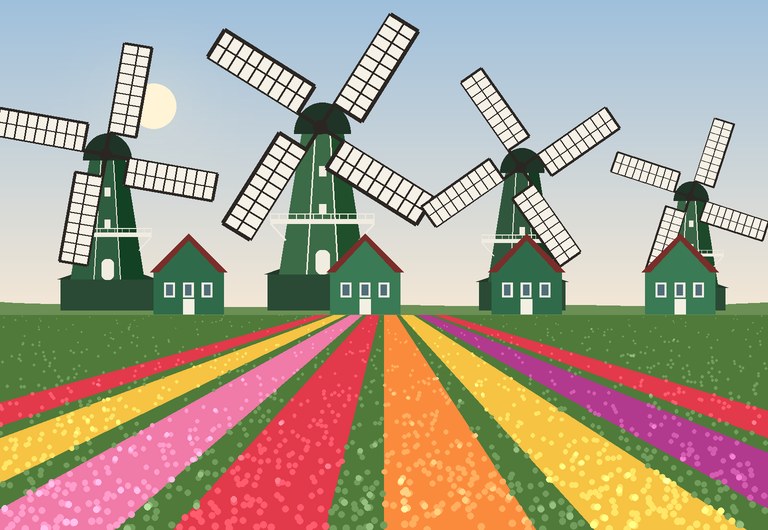
April and May pair the mills with the Dutch bulb season. Summer is lovely but very busy by late morning.
Your rating
Tap a star to rate this place. Ratings are saved only on this device.